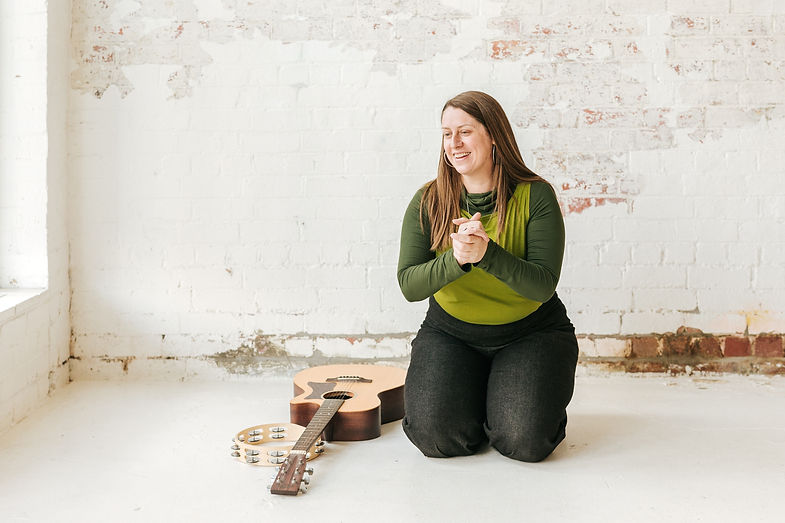
Music can play a powerful role in supporting connection, belonging, and regulation in classrooms. But for many educators, it can feel difficult to know how to use music in ways that feel authentic, achievable, and sustainable.
Music for Classroom Wellbeing is a school-based offering designed to support educators to integrate music into everyday classroom routines and practices. The focus is not on performance or musical skill, but on building adult confidence and capacity so music can be used as a supportive, grounding resource for both staff and students.
This work centres the adults in the room, recognising that when educators feel supported and resourced, wellbeing practices are more likely to last.
Looking for ways to support wellbeing that don’t add to staff overwhelm?
Music for Classroom Wellbeing offers educators sustained, practical support to help integrate music into everyday classroom routines in ways that support wellbeing, regulation, and inclusion. Here’s how it works:
Collaborative reflection
We begin by exploring each school’s context, priorities, and existing classroom rhythms, alongside the experiences and needs of educators.
Staff learning and professional development
Whole-staff or team-based sessions introduce music-informed approaches that support wellbeing and inclusion. These sessions are practical, interactive, and grounded in everyday classroom contexts.
In-class modelling and observation
I work alongside educators within classrooms and shared spaces, modelling music therapy informed approaches in real time and offering gentle, supportive feedback.
Co-planning and resource sharing
Together, we develop simple routines and approaches that fit naturally into classroom life and align with educators’ strengths and values.
Ongoing support
Regular check-ins support reflection, adjustment, and consolidation of practice, helping approaches feel sustainable over time.
Music for Classroom Wellbeing can include leadership conversations, staff learning sessions, and additional mentoring support. It can be offered as a short-term engagement or as an ongoing partnership, depending on your school’s needs.
What Music for Classroom Wellbeing Looks Like
About Me
Hi, I'm Dr Meg Steele, the director of Creative School Support. After over two decades working in education as a music therapist and teacher, a masters in inclusive education and a PhD exploring professional learning for classroom wellbeing, Creative School Support was born from a deep understanding of the real challenges schools face today. I've lived the pressures of teaching and leadership, witnessed burnout, under-resourcing, and the frustration of short-term solutions that don’t end with sustained change.
Creative School Support exists to change that. We don’t offer generic programs; instead, we embed ourselves in schools through professional learning that is tailored, flexible, and anchored in both research and real-world practice. We believe that when teachers are truly supported (not just with ideas, but with practical tools and ongoing care) whole school communities become places where everyone thrives.
Our work is a partnership, centred in care and driven by the belief that wellbeing and inclusion are the foundation for impactful schools.

Why Music for Classroom Wellbeing Works
Backed by Research
Our research highlights the importance of centring Tier 1 educator support, not just student outcomes, when building sustainable change in schools.
When educators feel supported, resourced, and confident, wellbeing and inclusion practices are more likely to embed into everyday classroom life.
Intentional Music Use, for Students and Staff
Music is a powerful tool for student regulation and engagement, and it also plays an important role in supporting educators.
When used intentionally, music can foster connection, support inclusion, and help educators create emotionally safe, relational classroom environments for themselves and their students.
In this work, music is used as a practical and accessible resource, rather than as performance.
A Partnership That Respects Context
This is not a one-size-fits-all program.
Music for Classroom Wellbeing is responsive, relational, and shaped around your school’s real-world experiences, pressures, and possibilities. Support is developed in partnership with leadership and staff, and adjusted as understanding grows.
The focus is on approaches that make sense within your context and can be sustained over time.
What Your Staff Will Gain:
-
Increased confidence using music in intentional, inclusive ways
-
Strengthened capacity to support student wellbeing and co-regulation
-
Simple, practical tools that can be used immediately
-
Reflective space to consolidate learning and grow practice over time
-
Optional peer connection through small-group mentoring and shared learning
This Is Ideal For Schools Who Want To:
-
Build confident educators who support inclusion and wellbeing through intentional music use
-
Embed relational, sustainable approaches into classroom culture
-
Support staff without adding extra workload or overwhelm
Options to Fit Your Needs:
Music for Classroom Wellbeing always begins with a collaborative conversation. This initial discussion helps us understand your school’s context, priorities, and existing practices, so any support offered is responsive and relevant to your staff.
From there, support can be shaped in a range of ways.
Staff Training
Professional learning sessions offer a practical and accessible entry point into this work. Sessions are grounded in everyday classroom life and support educators to begin using music with confidence as a resource for wellbeing, regulation, and inclusion. Training options include:
-
Two-hour after-school professional learning sessions
-
Half-day workshops
-
Full-day workshops
All training is tailored to your school’s context and includes practical demonstrations, discussion, and time for reflection. A collaborative planning conversation is included with every booked session.
Mentoring and Embedded Support
For schools seeking deeper and more sustained support, Music for Classroom Wellbeing can also include mentoring that builds confidence and capacity over time.
This may involve:
-
Support delivered in four-week blocks or once per term
-
Sessions of approximately three hours, offered in the morning or afternoon
-
A blend of individual and small-group mentoring, with optional peer connection for shared reflection and problem-solving
-
All mentoring packages include a reflective consultation to shape the work around your staff’s needs and priorities.
Blended Approach
Many schools choose to begin with staff training and then extend the work through mentoring and embedded support. This blended approach helps learning move beyond a single session and become part of everyday classroom practice.
Pricing for staff training begins at $720 for a two-hour after-school professional learning session. Mentoring packages start at $1800 for 12 hours of support delivered over four visits. Please get in touch to arrange a conversation so we can plan support that fits your school’s context and priorities.


